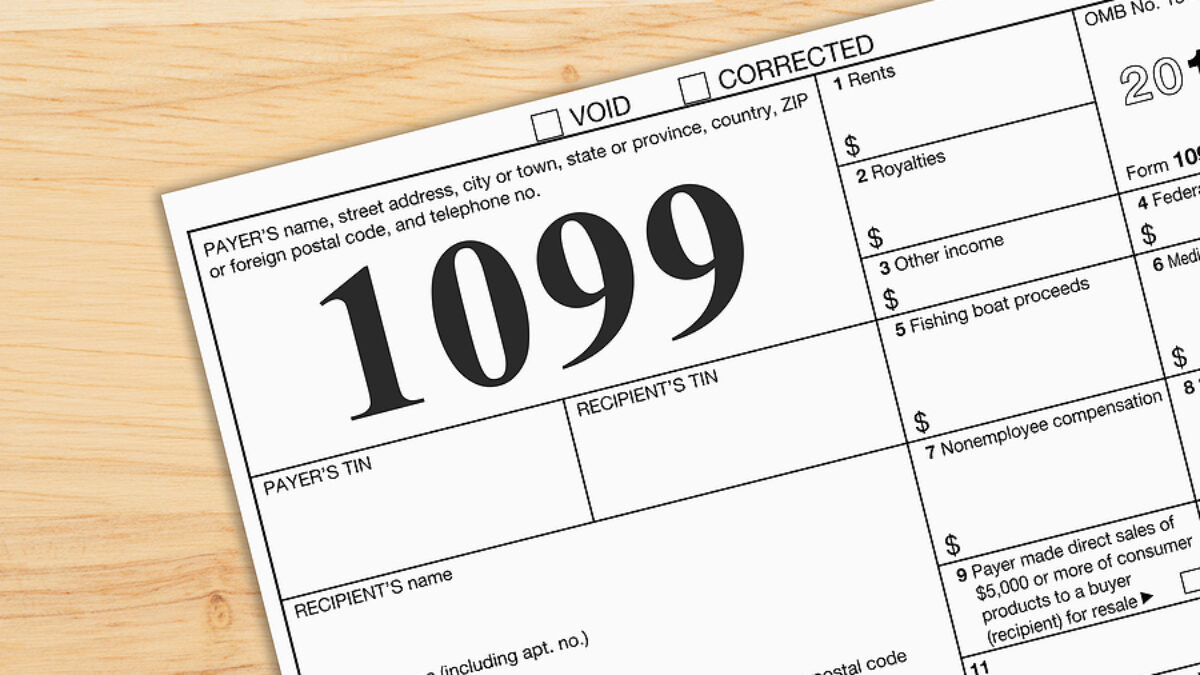
A W-9 tells the IRS two things: that your vendor isn’t subject to backup withholding, and that they’re responsible for reporting and paying their own taxes. It’s a small form, but it makes a big difference when tax season rolls around and you (or your accountant) sit down to handle 1099s. So what happens when a vendor just… doesn’t give you one?
The best fix is getting ahead of it. Before a contractor, freelancer, or vendor does any work — or before you cut their first check — get that W-9 in hand. It’s so much easier to ask upfront than to chase it down in January.
But if you’re already past that point, here’s what you need to know.
You Still Have to File the 1099
No W-9 doesn’t mean no 1099. You’re still required to file, so leave the TIN/SSN field blank or write “Refused to Provide.” From there, expect the IRS to follow up with a CP-2100 or CP-2100A letter, which kicks off backup withholding.
One important thing: you’re required to make at least three documented attempts to get that information from your vendor. Keep a paper trail — dates, method of contact, everything. It’s your protection if the IRS comes asking.
What’s On You As the Payor
- Get the W-9 before work begins — that’s the IRS expectation, not just a best practice.
- File your 1099s on time, no matter what. A missing W-9 doesn’t buy you extra time or an excuse.
- Document every attempt to collect the W-9 (three minimum).
- If the vendor still won’t cooperate, you’re expected to start backup withholding at 24% and remit it to the IRS. Think of this as the safety net that helps the IRS track income that might otherwise go unreported.
Penalties to watch for:
- Misusing or improperly disclosing a TIN/SSN is a federal violation — civil and criminal penalties can apply.
- Filing 1099s late or with wrong information costs $50 to $530 per form, depending on your business size and how late the correction comes.
What’s On the Vendor
Your vendor is on the hook too — they’re required to give you accurate, complete W-9 information so you can report correctly to the IRS.
Their penalties:
- Submitting false information is a legal violation — fines or even imprisonment are possible.
- Refusing to provide a W-9 when asked triggers a $50 penalty for each refusal.
- Providing false info or flat-out refusing means they’re subject to 24% backup withholding on every future payment, which gets sent straight to the IRS.
The Bottom Line
Get the W-9 before the first payment goes out — that’s the whole game. If a vendor won’t cooperate, document everything, file your 1099s on time regardless, and don’t skip the backup withholding once it’s triggered. A little diligence upfront saves a lot of cleanup later.